Your basket is currently empty!
Say the word jazz and watch what happens. Some people lean forward, curious. Others practically recoil. Every Fast Show sketch of ‘Jazz Club… Niiiiiiice’ comes flooding back. Every dinner gig / sax solo that went on too long, every friend who muttered ‘it’s all just noodling.’ Our bias isn’t just from our own experiences — it’s inherited, passed down, and endlessly repeated.
But because of that, we miss the hidden gems.
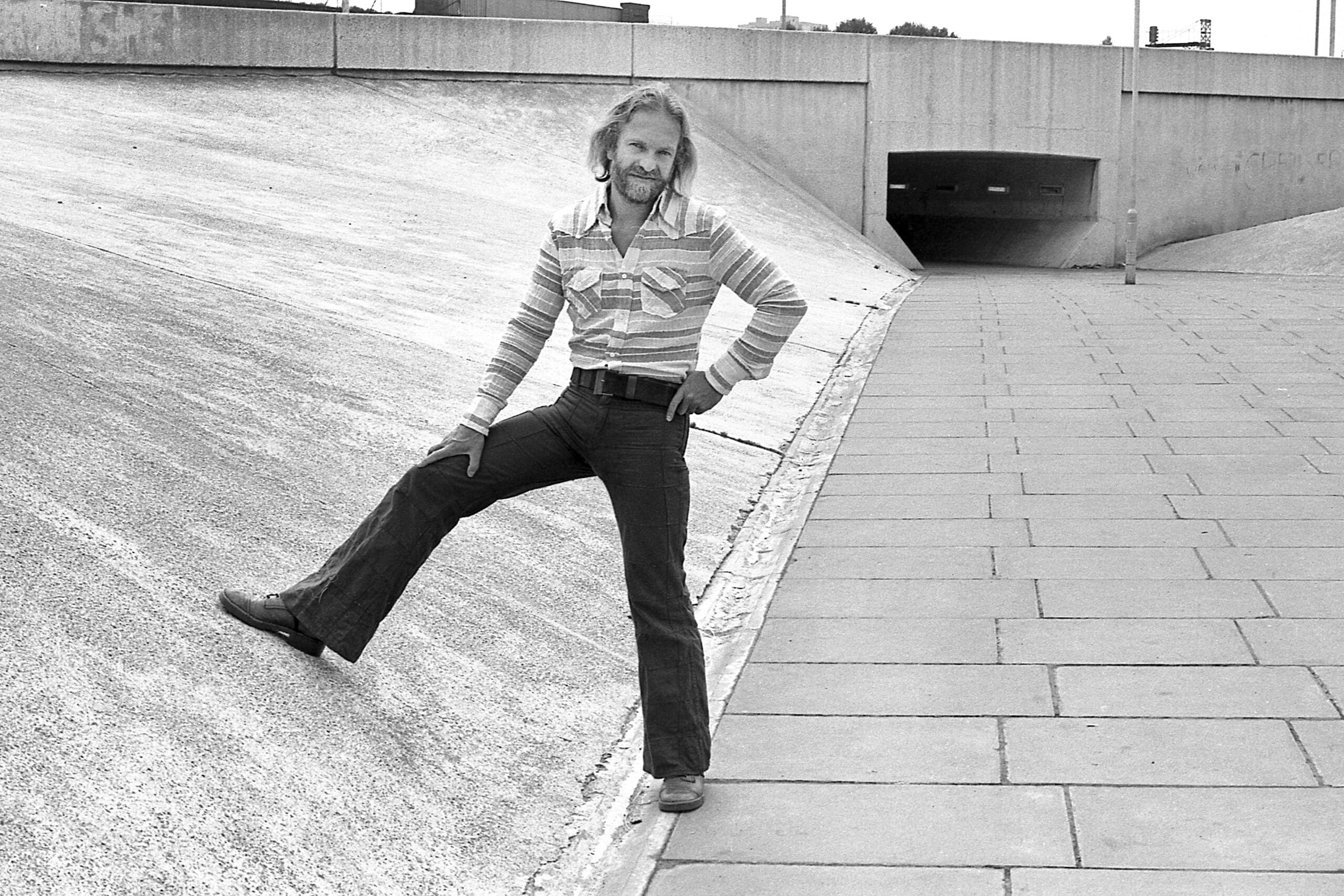
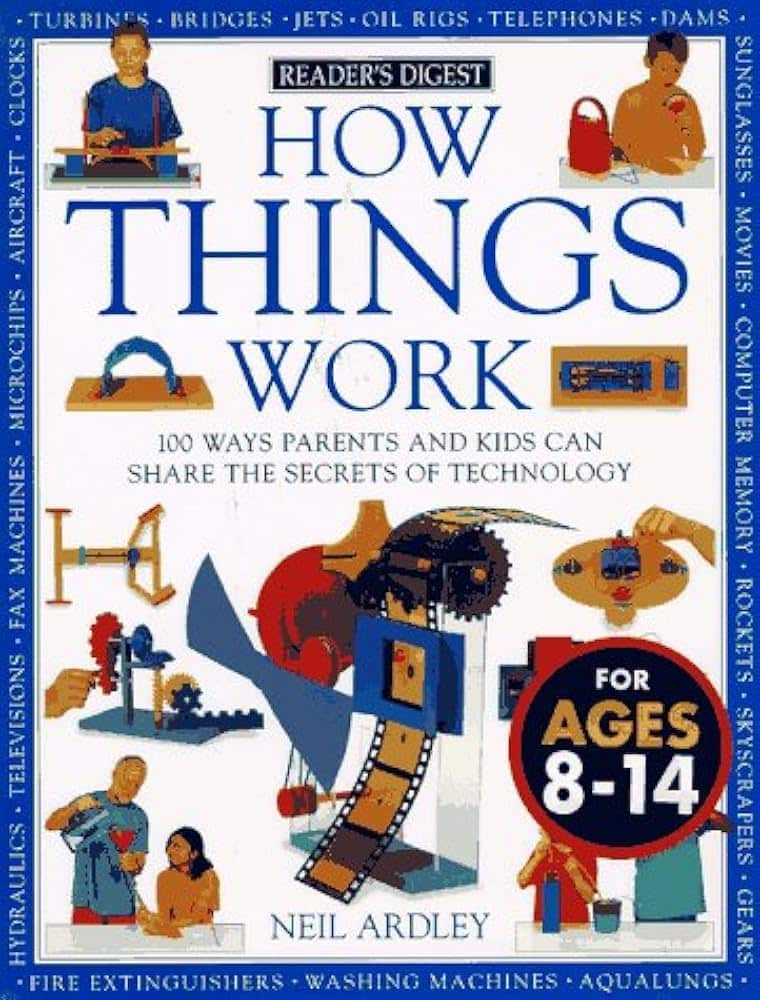
Neil Ardley is one of those gems. A chemist by training, an author by trade, and a composer by instinct, he lived a double life. He made his living writing books — maybe you had The Way Things Work on your shelf as a kid. But in music he was quietly reshaping British jazz, turning it into something bigger, stranger, and more visionary.
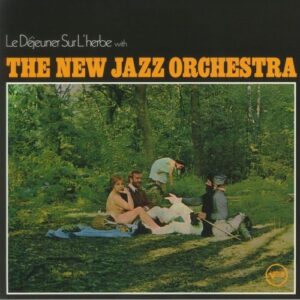
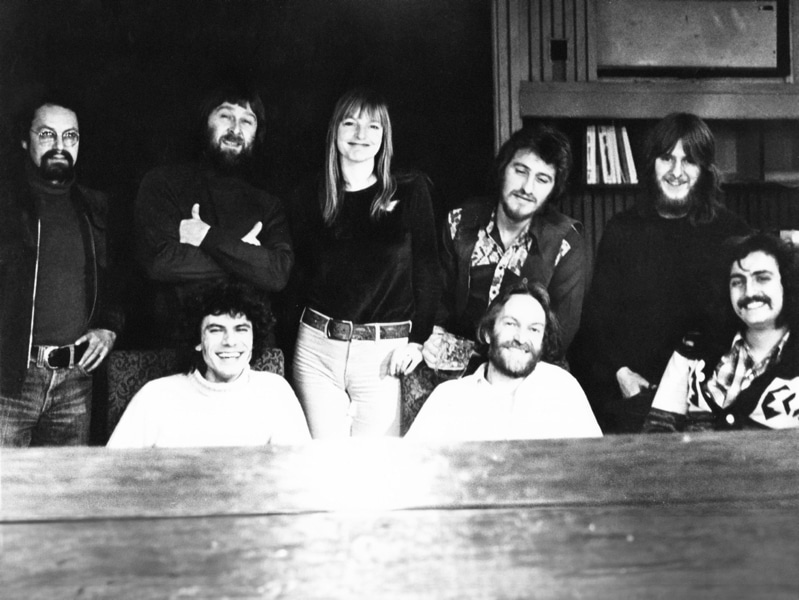
In the 1960s, Ardley directed the New Jazz Orchestra, a gathering place for some of the most brilliant young musicians in Britain: Ian Carr, Jon Hiseman, Mike Gibbs, Henry Lowther — and Barbara Thompson, whose saxophone would later be a vital voice on Kaleidoscope of Rainbows. Ardley’s writing wasn’t about blowing over changes. His pieces were structures, suites, closer to symphonies than songs. Le Déjeuner sur l’Herbe, recorded in 1968, was through-composed — nothing repeated. That kind of vision marked him out early.
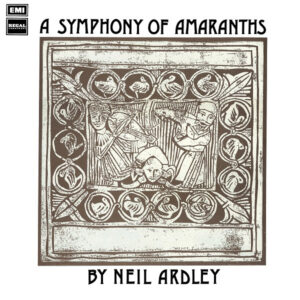
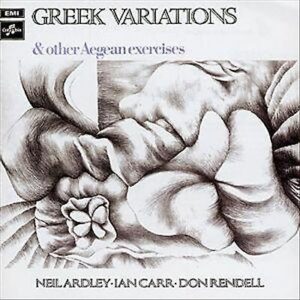
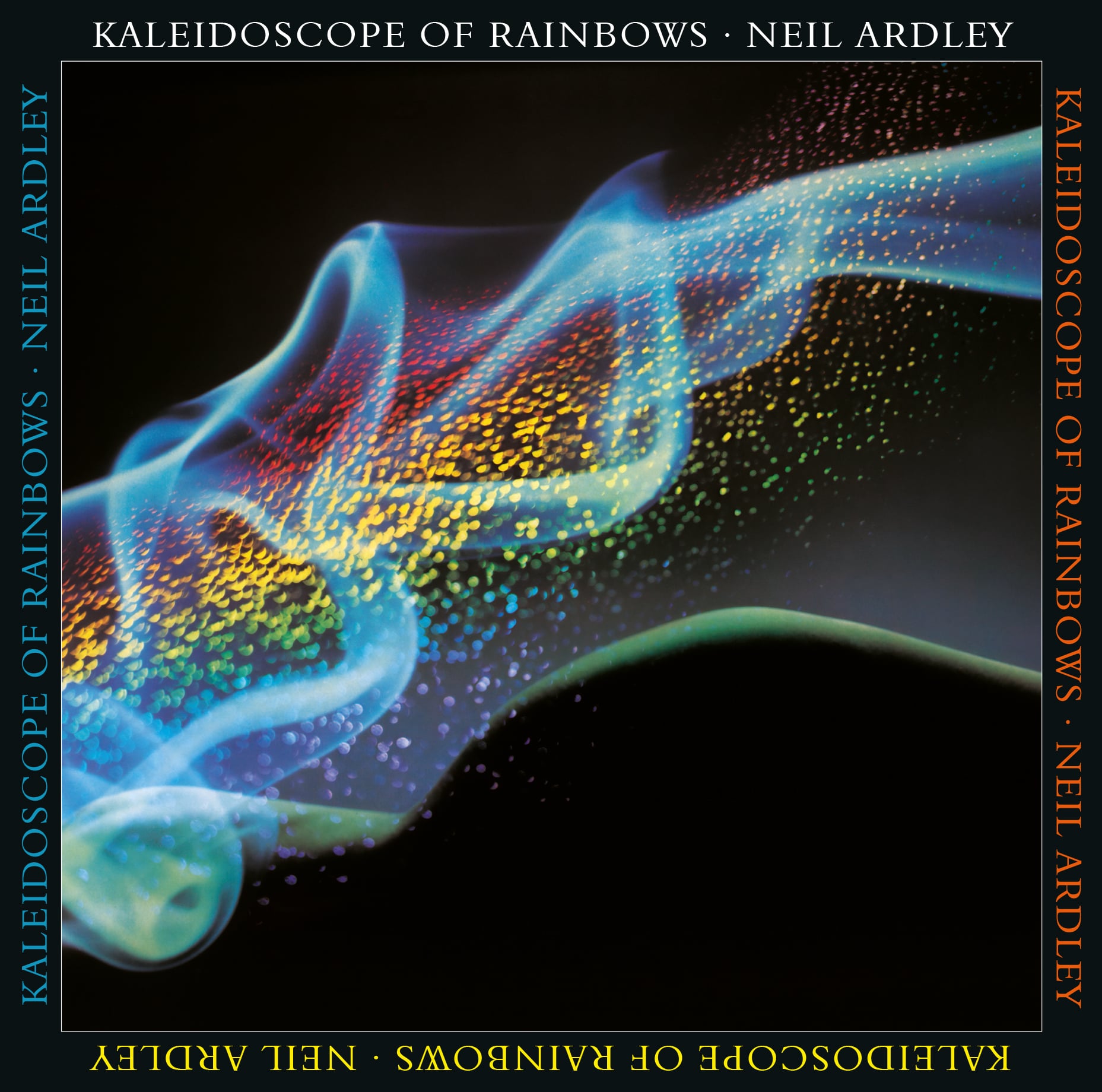
By the 1970s, Ardley had begun to compose works of extraordinary scope. Greek Variations (1970) spun a Balkan folk melody into something symphonic. A Symphony of Amaranths (1972) folded in poetry and voice, with Norma Winstone and Ivor Cutler. And then came the masterpiece: Kaleidoscope of Rainbows (1976).
Kaleidoscope was performed by Ian Carr’s jazz-rock band Nucleus, with strings and harp expanding the palette — and with Barbara Thompson’s saxophone cutting right through the ensemble. Her sound gave the music fire and clarity, a vital counterpoint to Ardley’s orchestration. Expansive yet melodic, intricate yet welcoming, the suite landed in the NME Top Albums of 1976 alongside rock heavyweights. That alone tells you how far it reached. And here’s the thing: it still sounds fresh. Play it today and you hear grooves fit for a rare soul DJ, textures that anticipate ambient and electronic music, a sweep worthy of cinema.
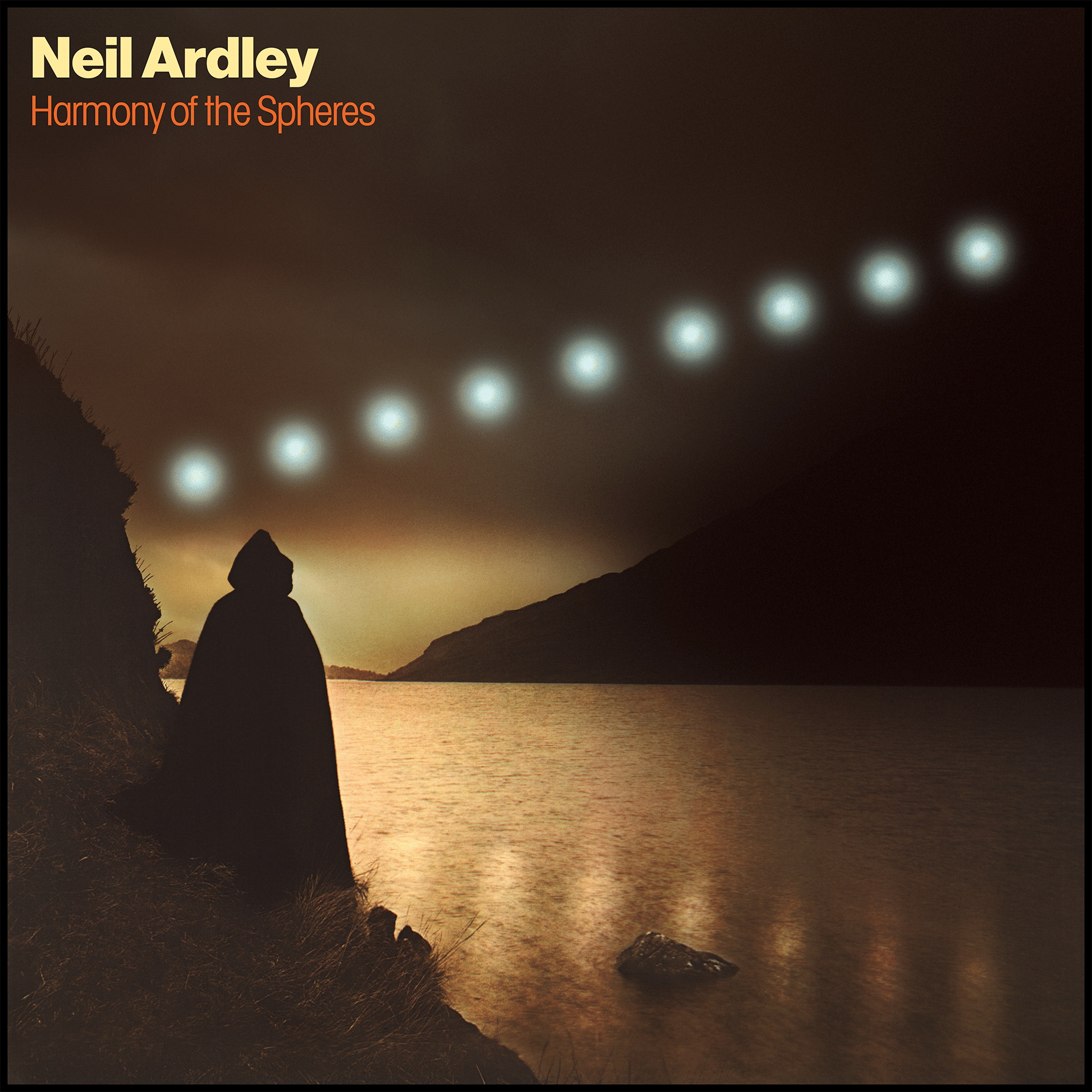
That’s why people who think they ‘don’t like jazz’ often connect with Neil Ardley. We saw it when we reissued Harmony of the Spheres. Listeners wrote: ‘I had no idea…’ and ‘How did I go this long without knowing about this?’ That reaction says it all. Ardley’s music breaks down resistance. It isn’t niche — it’s timeless, surprising, and deeply human.
Many thanks to Viv Ardley for the South Bank Show.
Shown for educational & fair use purposes only.
And then, at the height of his creative power, he did something astonishing: he walked away. The recording contracts with labels like Decca ended. He turned his back on the London industry machine. Instead, he chose to live in the serene tranquility of the Peak District, writing books to pay the bills and giving himself the freedom to compose on his own terms. For Ardley, integrity and curiosity mattered more than chasing the charts.
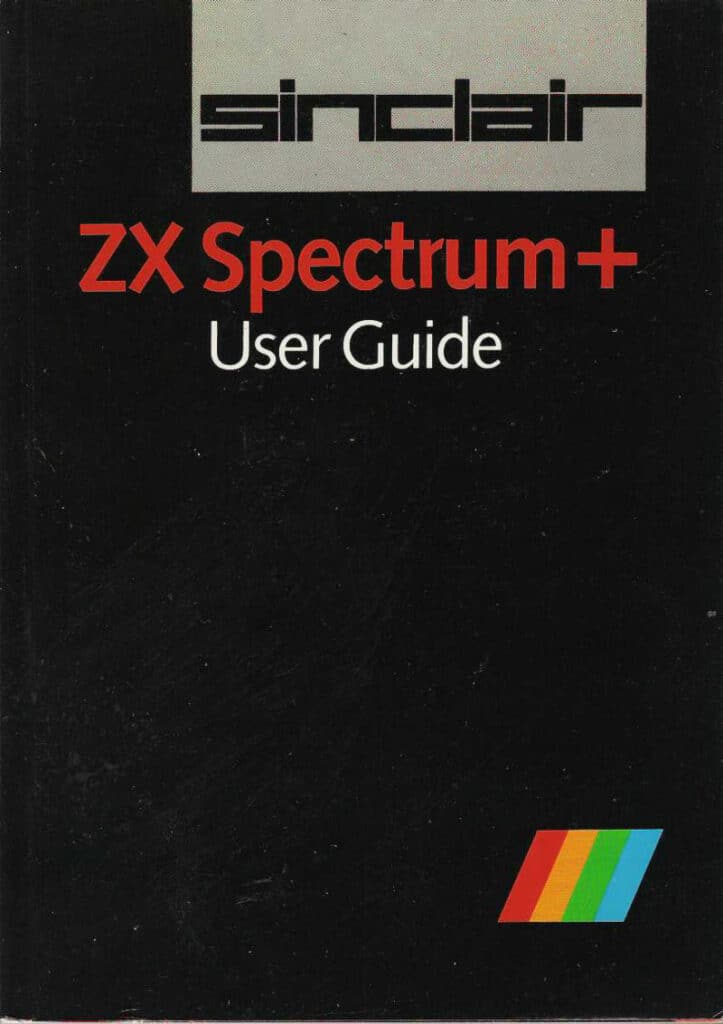
And it wasn’t just The Way Things Work. Ardley was such a prolific writer — over a hundred books published by mainstream publishers — that if you grew up in Britain in the ’70’s & ’80s there’s a strong chance you crossed paths with him without even knowing it. Struggled to get your head around the workings of the Sinclair ZX Spectrum? You probably found yourself poring over an instruction manual written by Neil Ardley, a man fascinated with computers and their infinite possibilities. Did you know that?
On Saturday, November 22 at the Minerva Theatre in Chichester, Analogue October Records is working with the Guildhall Jazz Orchestra under the leadership of Scott Stroman to bring Kaleidoscope of Rainbows back to life. Renowned saxophonist Binker Golding will guest.

The first set will be Kaleidoscope performed in full — Ardley’s masterpiece in all its colour and sweep.
The second set celebrates the orbit Ardley moved in — the composers and musicians who shared his creative universe:
• Mike Westbrook
• John Warren
• Neil Ardley
• Kenny Wheeler
• Django Bates
• Henry Lowther
It’s a map of British jazz innovation, Ardley at the centre, surrounded by peers who were just as fearless.
And tickets? Let’s be honest — you’ll spend more on coffee and cake in Chichester on a Saturday afternoon than you will to see this concert.
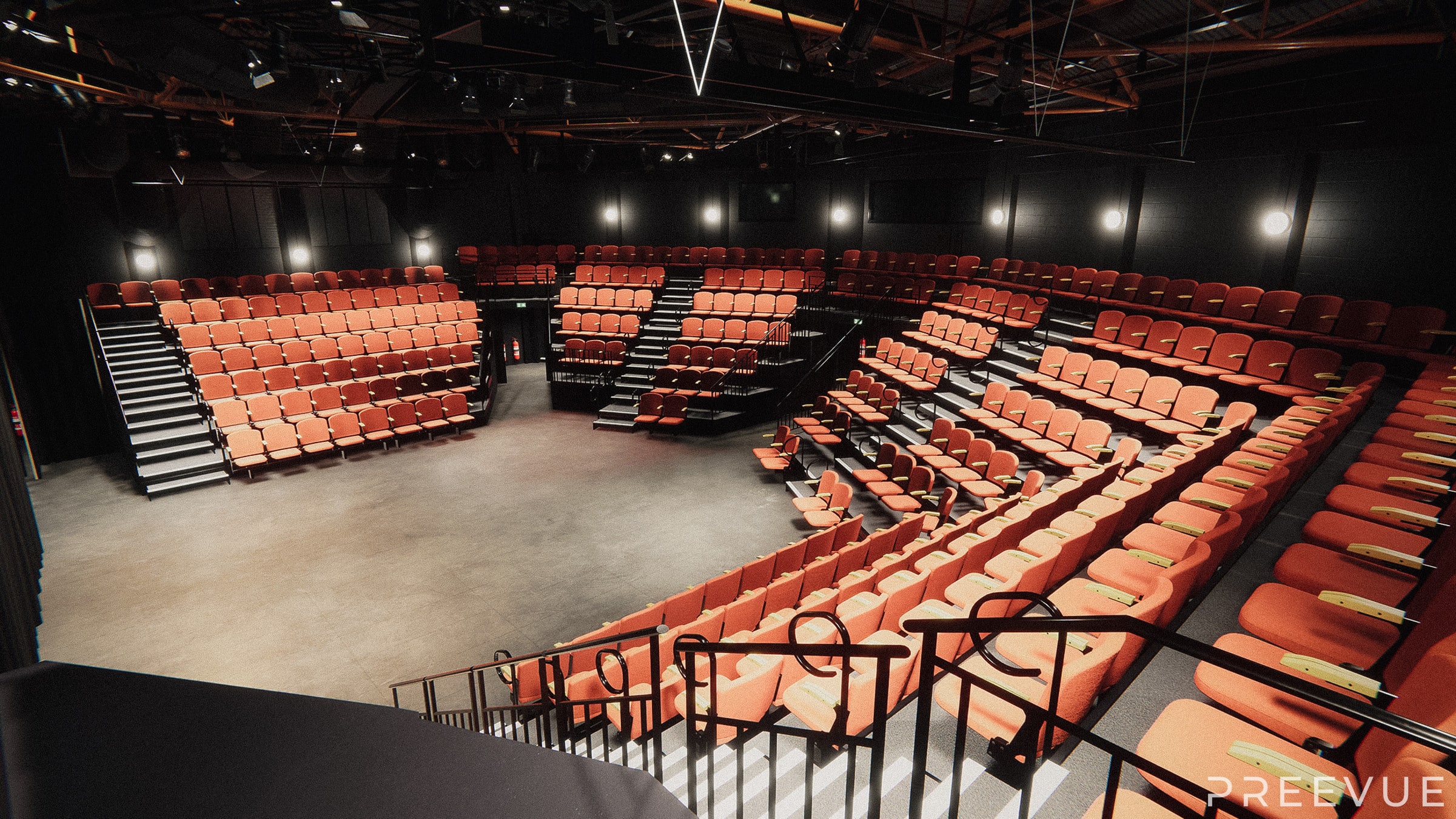
Photo: jamie osborne
The day after, on Sunday, November 23, the programme moves to Milton Court Concert Hall at the Barbican as part of the EFG London Jazz Festival. So yes — technically, we’re also unofficially bringing a slice of the London Jazz Festival down to Chichester. One night only, unofficially official.
This isn’t nostalgia. This is recognition. Ardley’s music isn’t the butt of a Fast Show sketch — it’s orchestral, cosmic, grooving, cinematic. It’s music that proves our biases wrong. On November 22, we’ll show just how alive it still is.
Come and discover the hidden gem that should never have been hidden in the first place.
https://www.cft.org.uk/events/kaleidoscope-of-rainbows-50
Neil Ardley’s 1976 masterpeice will be reissued by Analogue October Records in December
Leave a Reply
You must be logged in to post a comment.
No responses yet